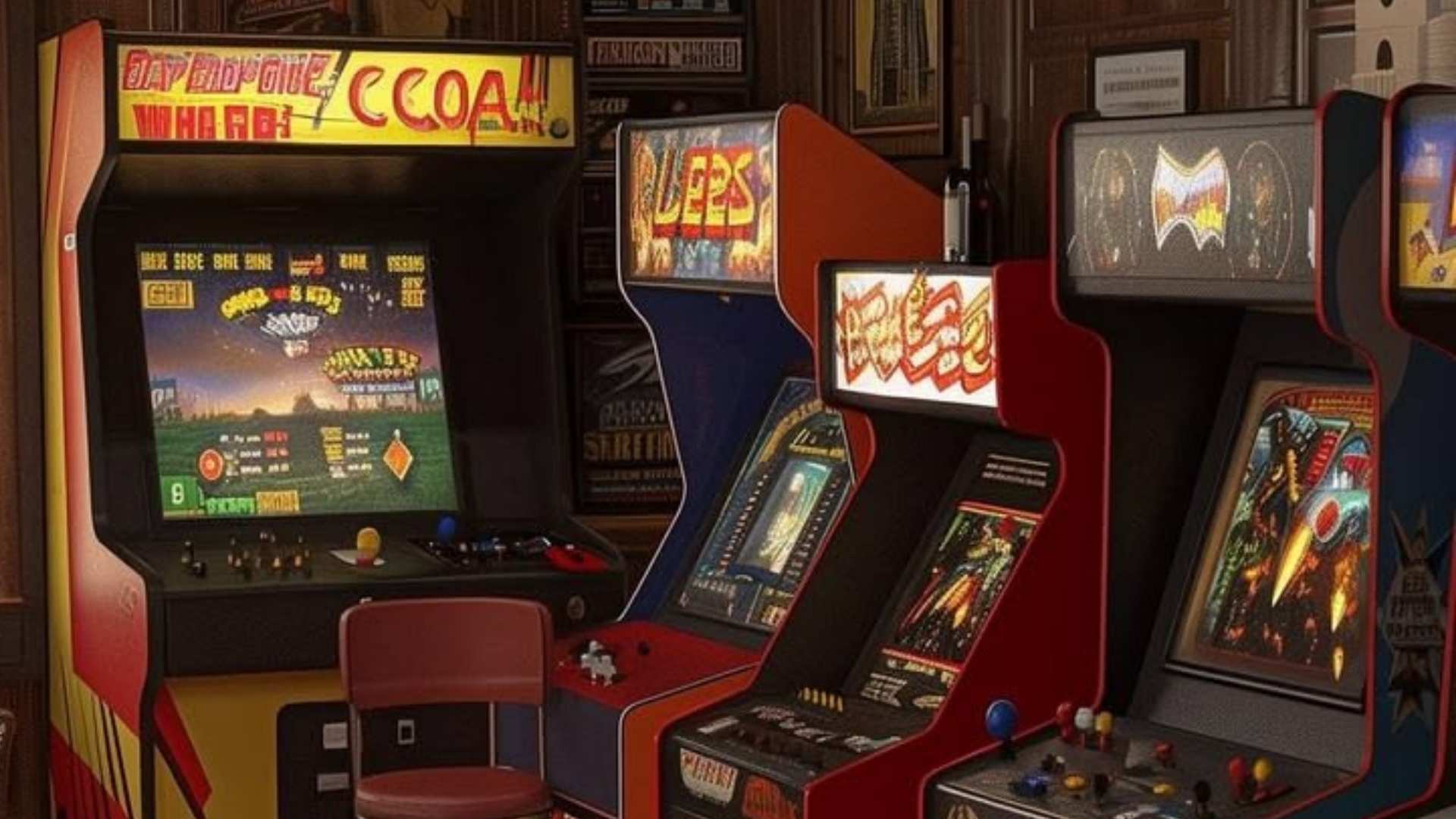
The digital gaming landscape has undergone a remarkable transformation, shifting from simple coin-operated machines to sophisticated browser-based platforms that offer immense replay value. Modern players seek experiences that remain fresh and engaging even after multiple sessions, leading developers to implement innovative design philosophies. By focusing on deep mechanics and dynamic content, these online arcade titles ensure that the thrill of the chase never fades for the global gaming community.
The Power of Procedural Generation in Arcade Design
One of the most effective ways to maximize replayability is through the use of procedural generation, which creates unique environments for every play session. This technique ensures that no two adventures are identical, forcing players to adapt their strategies to ever-changing layouts and obstacle placements. By removing the predictability of handcrafted levels, developers can keep the gameplay loop exciting for hundreds of hours.
Many top-rated arcade games use these algorithms to randomize enemy patterns and loot drops, providing a constant sense of discovery. This unpredictability is a key driver for player retention, as the desire to see what the next generated level holds becomes a powerful motivator. For those who enjoy testing their skills on diverse digital platforms, using an M88 login can provide access to a wide variety of competitive challenges.
Furthermore, procedural elements encourage players to master the fundamental mechanics rather than simply memorizing a specific path. This shift toward skill-based mastery is what distinguishes high-quality arcade games from short-lived distractions. When the game world evolves alongside the player, the resulting experience feels more personalized and rewarding.
Rewarding Progression and Unlockable Content
A robust progression system is another cornerstone of high replay value, offering players tangible goals to strive for beyond just a high score. By including unlockable characters, specialized equipment, and hidden stages, developers provide a clear roadmap for long-term engagement. These rewards serve as milestones that celebrate the player's dedication and growing expertise within the game world.
Effective progression systems often include skill trees or upgrade paths that allow for different playstyles and experimental strategies. This variety encourages players to restart the game with a new focus, exploring how different builds affect their performance. Such depth transforms a simple arcade title into a complex experience that rewards creative thinking and persistence.
Daily challenges and seasonal events also contribute to a game's longevity by introducing time-limited objectives and exclusive prizes. These updates keep the community active and ensure there is always something new to experience upon returning. By constantly refreshing the content, developers can maintain a vibrant player base for years after the initial release.
Social Competition and Global Leaderboards
The competitive spirit of classic arcades lives on through digital leaderboards that connect players from every corner of the globe. Seeing how your performance compares to others adds a layer of social validation that makes every victory feel more significant. This global stage encourages players to refine their techniques and shave seconds off their best times to reach the top rankings.
Many modern arcade titles also feature ghost modes, allowing you to race against the recorded runs of top-tier players or your own personal bests. This direct comparison provides immediate feedback and a clear target for improvement, fostering a cycle of continuous learning. The drive to outperform a rival or beat a longstanding record is a primary reason why many gamers return to their favorite titles daily.
Collaborative modes and community tournaments further enhance the social aspect, turning solitary play into a shared group activity. These interactions build a sense of belonging and loyalty toward the game, as players share tips and celebrate collective achievements. When a game becomes a platform for social interaction, its replay value increases exponentially.
Balancing Difficulty for Infinite Engagement
The concept of "easy to learn, hard to master" is the golden rule for creating arcade games with lasting appeal. A perfect difficulty curve introduces mechanics gradually while providing a steep ceiling for those who want to push their limits. This balance ensures that beginners are not overwhelmed, while veterans remain challenged by complex end-game content.
Dynamic difficulty adjustment is a sophisticated tool that allows the game to tune its challenges based on the player's current performance level. This ensures that the experience remains in the "flow state," where the challenge perfectly matches the player's skill. By avoiding frustration and boredom, games can keep players hooked for much longer play sessions.
Ultimately, maximum replay value is achieved when the core gameplay remains satisfying regardless of how many times it has been performed. The physical sensation of movement, the sound design of a successful hit, and the visual feedback of a high score all contribute to a sensory experience that players want to relive. Online arcade games that master these elements become timeless classics in the digital age.