Understanding how to win money at the casino requires moving past luck and examining the mathematical realities that govern table games and slots. Every game is structured around statistical odds designed to give the house an advantage over extended play. By shifting focus toward probability principles and structured money management, players can make more rational decisions that help preserve capital during gaming sessions.
The Mathematical Reality of House Edge
The house edge represents the mathematical advantage built into every casino game to ensure long-term profitability for the venue. This statistical percentage dictates how much money the casino expects to retain from total wagers placed over time. Recognizing which games feature a lower house edge allows players to select options that present relatively better statistical odds.
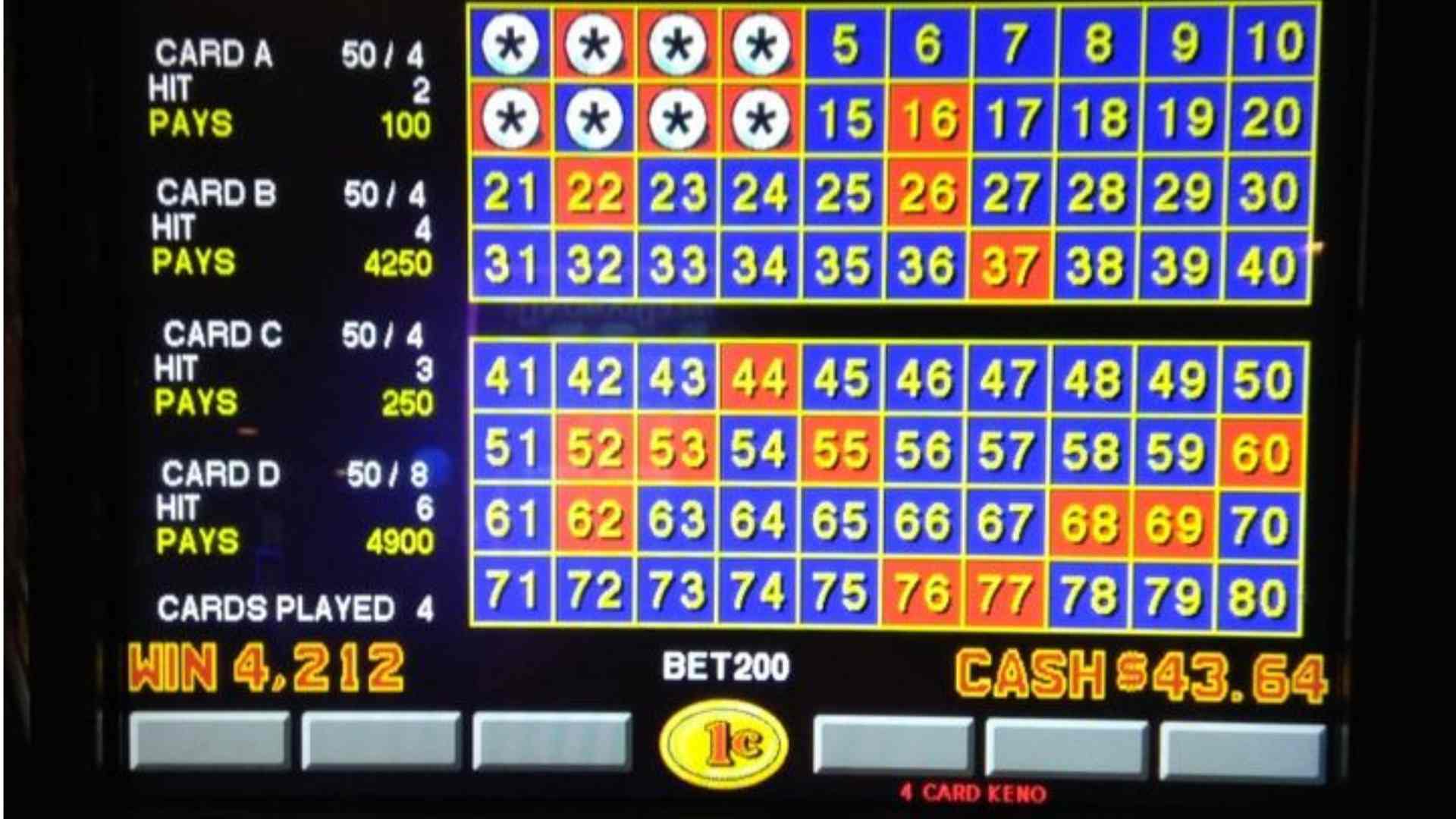
Games like blackjack, baccarat, and certain craps wagers carry significantly smaller house advantages compared to standard slot machines or keno. When players choose options with favorable return-to-player metrics, they reduce the rate at which their funds naturally deplete. Analyzing these numerical structures helps create realistic expectations regarding short-term payouts versus long-term results.
Understanding Probability in Casino Games
Probability governs every outcome on the casino floor, whether rolling dice, spinning wheels, or dealing cards. Independent events, such as roulette spins, mean that previous results have absolutely no influence on future outcomes. Falling for the misconception that a specific result is due often leads to flawed betting choices and unnecessary losses.
Mastering basic strategy in skill-based games helps minimize the house advantage to its lowest possible threshold. Exploring reliable gaming environments like m88 เข้าไม่ได้ provides enthusiasts access to structured gameplay formats where established rules apply transparently. Combining disciplined strategic execution with realistic probability knowledge forms the backbone of informed wagering.
Core Fundamentals of Bankroll Management
Effective bankroll management is the most essential tool for mitigating financial risk during any gambling session. Setting a strict, disposable budget before playing ensures that gaming expenses remain well within manageable personal limits. Dividing your total balance into smaller unit stakes prevents single losing streaks from completely exhausting your available funds.
Establishing clear win goals and loss limits helps preserve capital and prevents emotional decision-making when results fluctuate. Walking away after hitting a predetermined win threshold protects accrued gains from being swallowed by the house edge. Similarly, honoring a strict stop-loss limit prevents the costly mistake of chasing losses during an unfavorable streak.
Strategic Mindset and Long-Term Expectations
Maintaining an analytical mindset requires treating casino visits primarily as a form of paid entertainment rather than a reliable source of income. Recognizing that short-term variance can produce winning streaks helps players enjoy positive outcomes without assuming those trends will persist indefinitely. Controlled pacing, regular breaks, and strict adherence to established rules keep emotional impulses in check.
Ultimately, long-term success at the casino relies on minimizing unnecessary errors and maximizing efficiency through smart game selection. By respecting the laws of probability and maintaining strict financial boundaries, players can enjoy the excitement of the casino while protecting their financial well-being.