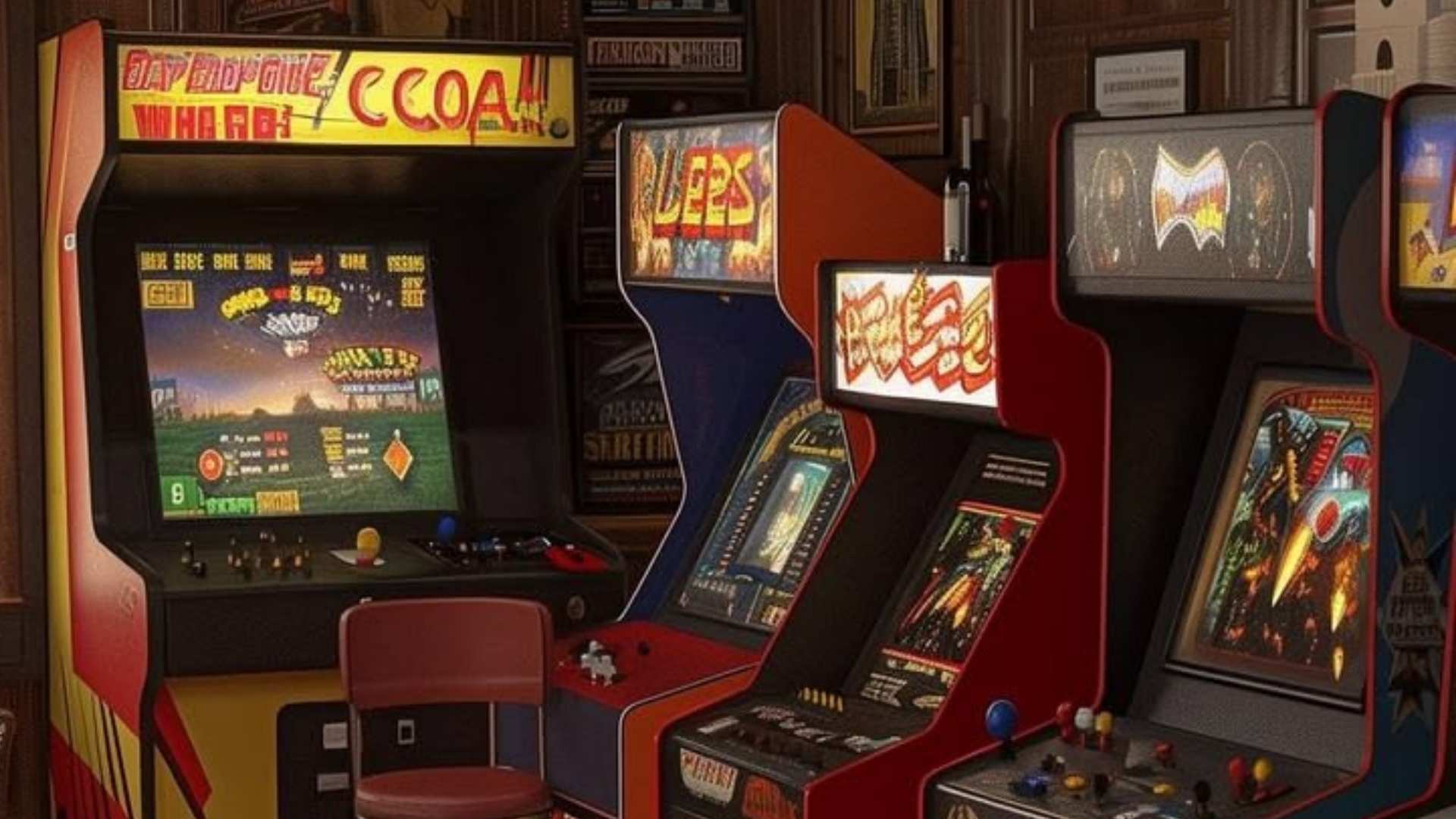
Modern strategy games have evolved far beyond mere entertainment, serving as highly interactive environments that actively challenge the human brain. Engaging with these complex virtual landscapes requires participants to practice critical management skills such as resource distribution, long-term forecasting, and team coordination. As a result, individuals who regularly navigate these digital battlefields often build advanced competencies that translate directly into professional leadership settings.
Cultivating Strategic Vision and Foresight
True leadership requires the ability to anticipate future challenges while maintaining a clear organizational direction amidst volatile market conditions. Strategy games cultivate this exact capability by forcing players to project potential outcomes multiple steps ahead before executing a move. Competitors must constantly analyze shifting situational variables to adjust their long-term plans effectively on the digital map.
Developing this future-focused view prevents leaders from falling into the trap of short-term thinking during major organizational crises. Through repeated exposure to complex gaming scenarios, players learn to balance immediate field requirements with overarching milestones. This balanced perspective helps modern professionals build highly resilient operational frameworks in real-world corporate environments.
Optimizing Resource Management and Economics
Behind every successful campaign lies a robust infrastructure that relies heavily on a stable and resilient economic foundation. Aspiring leaders must learn how to efficiently gather, distribute, and protect finite assets over extended periods of competition. Imbalance in these virtual systems often leads to sudden organizational collapse against highly aggressive opponents.
Perfecting this economic balance helps managers optimize workforce skills, time allocation, and financial investments in their daily professional routines. You can monitor high-level tactical execution and performance setups on specialized competitive channels like M88 sports to observe these resource loops in action. Understanding how assets interact with environmental conditions ultimately prepares individuals for complex logistical decision-making challenges.
Fostering Adaptive Decision-Making Under Pressure
Operating in high-stress environments demands an exceptional combination of cognitive flexibility and emotional resilience from modern executives. When an unexpected threat disrupts your initial layout, rigid adherence to a single strategy usually results in total defeat. Elite strategy players excel at reading the shifting battlefield fluidly to pivot their tactics within seconds.
This dynamic responsiveness under pressure trains the human brain to process massive amounts of data without losing composure. Cultivating this psychological composure helps professionals filter out minor distractions to focus purely on pressing corporate goals. By embracing a highly flexible mindset, managers can confidently guide their teams through fluid market changes.
Enhancing Collaborative Team Dynamics
Many modern strategic titles feature complex multiplayer modes where individual skills must blend seamlessly with group coordination to achieve victory. True mastery highlights how collective foresight and unified tactical implementation consistently outperform isolated brilliant maneuvers. Team members must communicate clearly, set shared objectives, and execute synchronized plays to secure the high ground.
Participating in these collaborative simulations sharpens interpersonal skills and teaches individuals how to delegate tasks effectively based on unique strengths. Leaders learn to value diverse perspectives while maintaining organizational alignment across various departments. Ultimately, these interactive experiences transform traditional training methodologies into engaging exercises for long-term organizational success.