The global appeal of numerical puzzles has transformed simple arithmetic into a highly competitive arena where players test their logical boundaries. Far from being isolated exercises, modern number challenges encourage participants to refine their decision-making skills under specific constraints. This shared drive for intellectual mastery has established a dynamic community focused on tactical optimization and cognitive growth.
The Psychology behind Numerical Rivalry
Competing in number-based environments triggers a unique psychological response that rewards structural thinking and pattern recognition. Players find deep satisfaction in uncovering hidden sequences and executing flawless deductions faster than their peers. This continuous cognitive engagement promotes a healthy sense of rivalry, driving individuals to analyze their past mistakes and develop better tactical frameworks.
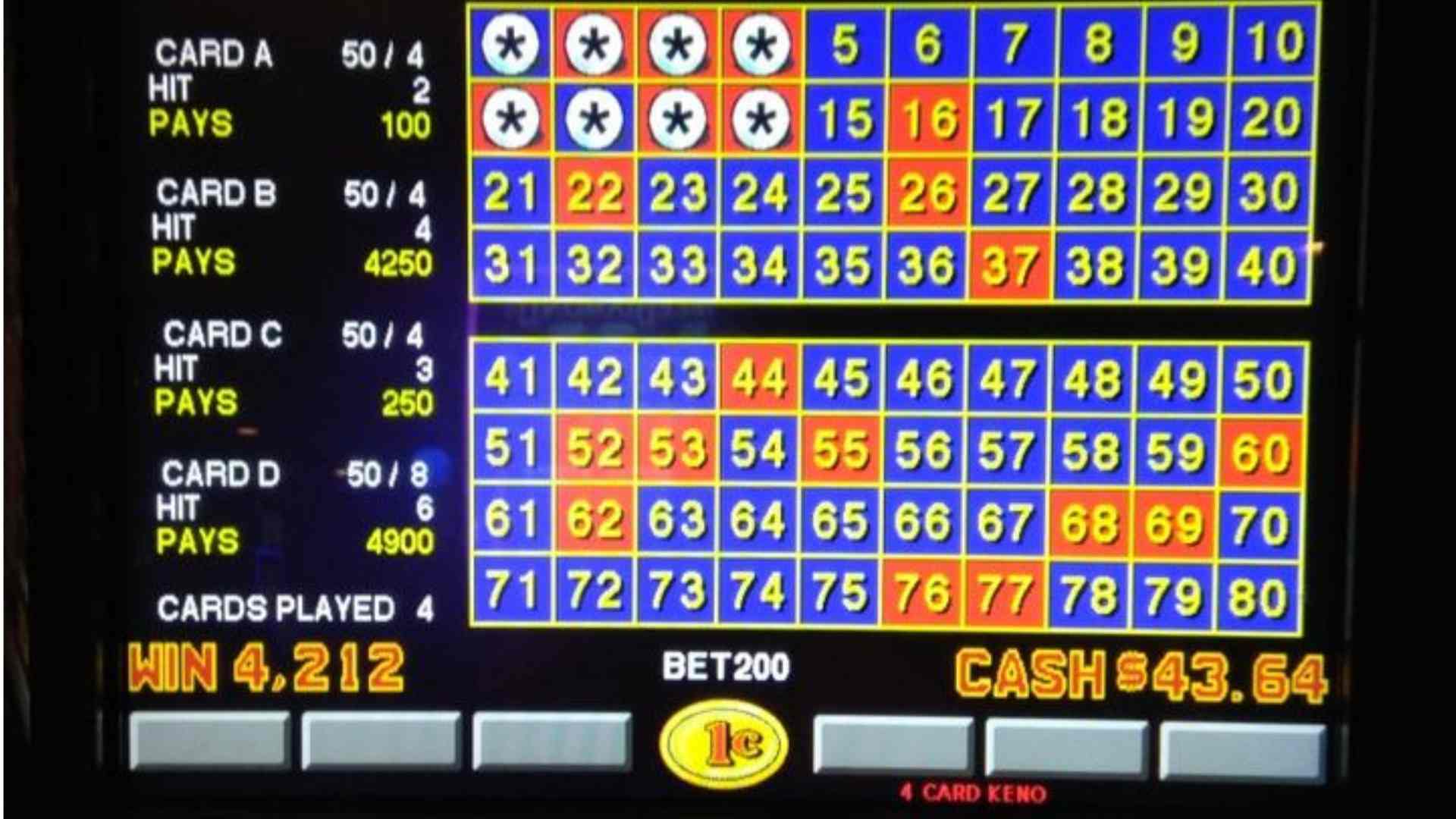
As digital platforms introduce timed leaderboards and global ranking systems, the stakes for enthusiasts continue to rise. Many users seek out structured platforms to test their speed against automated benchmarks or real opponents. Exploring dynamic features like a M88 slot option can also offer insights into how mathematical probabilities and randomized outcomes influence modern interactive entertainment.
Strategic Depth and Systematic Selection
Succeeding in a highly competitive numerical landscape requires much more than basic calculations or lucky guessing. Top performers rely on systematic elimination, isolating high-restriction zones within a grid before committing to a final choice. This methodical pacing mitigates careless errors and allows players to maintain control during complex scenarios.
Furthermore, advanced players often build unique mental algorithms to recognize recurring geometric layouts instantly. Developing this analytical foresight helps turn difficult logic blockades into straightforward resolution steps. Over time, consistent practice replaces frantic decision-making with calm, calculated precision that ensures steady progress.
Community Engagement and Cooperative Learning
The competitive nature of numerical games thrives heavily on social interaction and the collective exchange of gaming strategies. Online forums and dedicated groups allow players to break down complex puzzle layouts and share optimization tips. This collaborative ecosystem ensures that even novice players can find the resources needed to elevate their analytical abilities.
By participating in community challenges, individuals expose themselves to diverse problem-solving methodologies they might not have discovered alone. Witnessing how others navigate strict rule sets encourages creative thinking and prevents strategic stagnation. Ultimately, the shared pursuit of logical excellence transforms a solitary hobby into a deeply connective global experience.
Long Term Benefits of Measured Play
Engaging regularly with structured numerical rivalry provides substantial cognitive advantages that extend well beyond digital scoreboards. Studies suggest that managing complex constraints improves working memory capacity and sharpens daily processing speed. Keeping the brain active through objective challenges builds long-term mental resilience against cognitive decline.
Additionally, conquering a demanding logical task offers a reliable sense of personal achievement that reduces overall stress levels. Balancing competitive drive with daily relaxation makes these puzzles an ideal choice for healthy mental exercise. The transition from a casual solver to a strategic competitor remains a deeply fulfilling journey for players worldwide.